
×
LEI
stands for Legal Entity Identifier. It is a unique 20-character
alphanumeric code assigned to legal entities such as companies, LLPs, trusts,
funds, banks, and other financial institutions to facilitate identification in
financial transactions.
The LEI framework operates in accordance with ISO 17442, a standard developed by the International Organization for Standardization (ISO). Globally, the system is overseen by the Global Legal Entity Identifier Foundation (GLEIF). In India, LEIs are issued by Legal Entity Identifier India Limited (LEIL), which functions as a Local Operating Unit (LOU) recognized by the Reserve Bank of India (RBI).
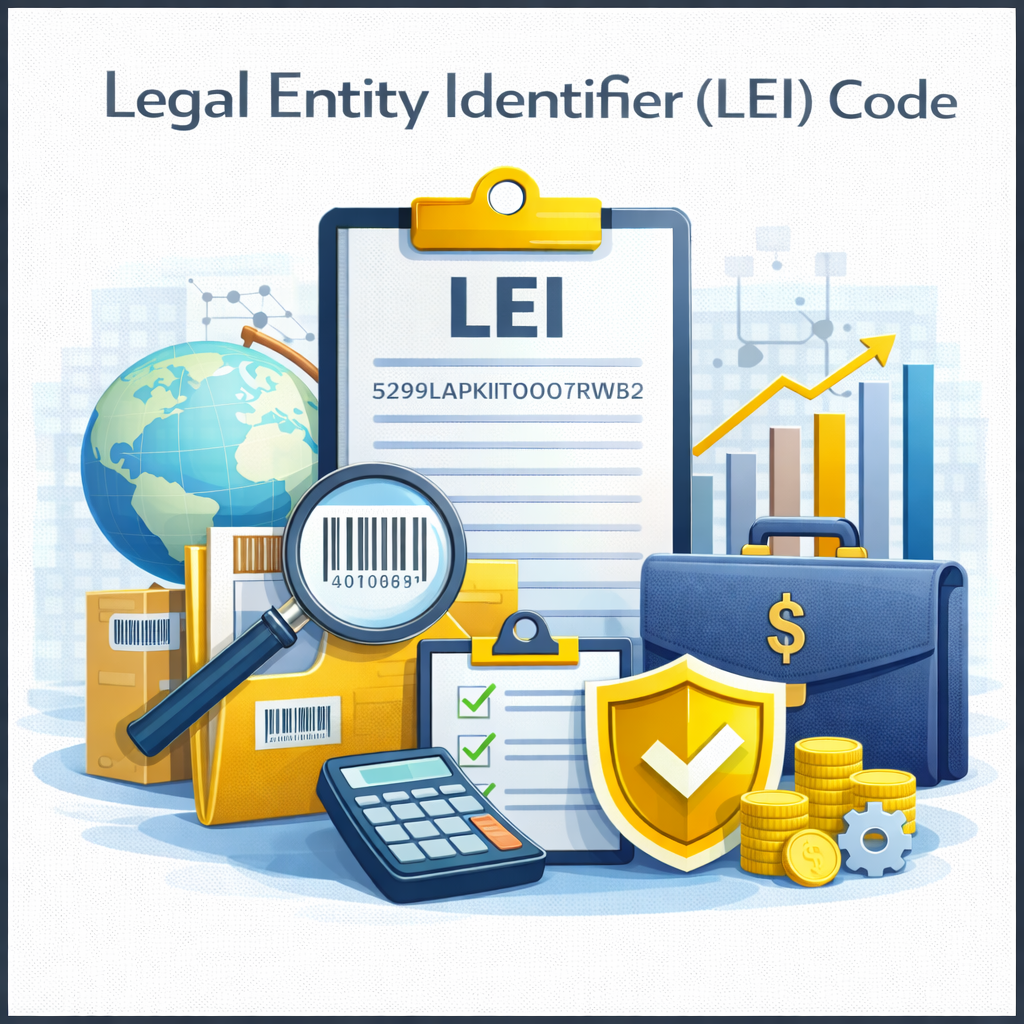
The structure of a Legal Entity Identifier (LEI) Code, standardized under ISO 17442, consists of a 20-character alphanumeric sequence designed to ensure global uniqueness and transparency.
An LEI is divided into four distinct sections:
- Characters
1–4: Identify
the Local Operating Unit (LOU) that issued the LEI.
- Characters
5–6: Reserved
characters (currently set to “00”).
- Characters
7–18: Unique
identifier assigned to the legal entity.
- Characters
19–20: Two
check digits used for validation and error detection.
LEI
registration is mandatory for certain categories of entities involved in
regulated financial transactions. The key categories include:
- Banks,
Non-Banking Financial Companies (NBFCs), insurance companies, Alternative
Investment Funds (AIFs), and mutual funds.
- Entities
registered with the Securities and Exchange Board of India (SEBI).
- Issuers,
guarantors, borrowers, and security providers participating in public
securities markets.
- Entities
undertaking RTGS transactions of ₹50 crore or more.
- Corporates
having aggregate credit exposure of ₹50 crore or more from banks or NBFCs.
- Entities
with fund-based or non-fund-based exposure of ₹5 crore or above, as prescribed
by regulatory authorities.
- Entities
engaged in over-the-counter (OTC) derivatives and foreign exchange
transactions.
In
the absence of a valid and active LEI, banks and financial institutions may
restrict, withhold, or decline processing of specified transactions in
accordance with regulatory guidelines.
As
per the guidelines issued by Legal Entity Identifier India Limited (LEIL), the
following documents are generally required for LEI registration:
- Audited
Financial Statements: Latest
audited financial statements of the entity.
- Letter
of Authority / Board Resolution: Authorisation permitting the applicant or signatory to apply for the LEI on
behalf of the entity.
- PAN
& Entity Registration Proof: Copy of PAN card along with incorporation or registration documents of the
entity.
- Parent
/ Ultimate Parent Details: Information regarding direct and ultimate holding entities, if applicable.
- Auditor’s Certificate: Certificate from a statutory auditor, wherever required, confirming relevant entity details.
Providing
accurate and updated documentation ensures smooth processing and timely
issuance of the LEI.
The primary purpose of LEI registration is to enhance transparency, traceability, and effective risk assessment within the financial ecosystem. An LEI enables regulators, banks, and market participants to clearly determine:
- The identity of the entity involved in a transaction
- Ownership structures, including parent–subsidiary relationships
- Counterparty exposure and potential systemic risk
By standardizing entity identification across jurisdictions, the LEI system strengthens global financial stability and regulatory oversight.
Related Services


Why Choose Arthtattava
Expert-Led Financial Solutions: Our team combines deep domain expertise with practical experience across industries.
End-to-End Accounting Support: From bookkeeping to reporting, we manage complete financial operations seamlessly.
Technology-Driven Approach: We leverage advanced tools like Tally, OCR, and automation for accuracy.
Customized Business Solutions: Every service is tailored to your business needs, scale, and growth stage.
Data Accuracy & Compliance Focus: We ensure error-free records while strictly adhering to regulatory requirements.
Reliable & Timely Delivery: Consistent turnaround times with proactive communication to support business decisions.
Know More Details